YouTube Thumbnail Extractor: Video Workflow 2026
Use this youtube thumbnail extractor workflow to pull public video thumbnails, verify real variants, and save source notes for audits. Try it now.
Direct answer
A YouTube thumbnail extractor should read the public video ID, test real thumbnail variants in quality order, and return the largest working image without pretending fallbacks are HD. The safest workflow is to pull the public asset, verify the variant, save the clean file, and keep source notes for audits or refresh decisions.
Key takeaways
- A real extractor uses the video ID and public thumbnail variants rather than a page screenshot.
- Check maxresdefault first, but call out fallback images when the largest public asset is missing.
- Keep source URL, variant, dimensions, and pull date beside saved thumbnails used in audits.
- Move from extraction to AI analysis only when the saved image affects a creator decision.
Published: 2026-06-21 Last updated: 2026-07-01 Author: jackyi Reviewed by: YThumbPro editorial review
AI-assisted writing disclosure: this article was drafted with AI assistance and reviewed for accuracy, originality, and YThumbPro product fit by the YThumbPro editorial team.
youtube thumbnail extractor searches usually come from a practical creator problem: you have a video URL and need the real public thumbnail image, not a screenshot, fake upscale, or branded download. This refreshed guide shows the workflow I use in YThumbPro: read the video ID, test real variants, save the clean file, and keep source notes that make the image useful later.
A YouTube thumbnail extractor should read the public video ID, test real thumbnail variants in quality order, and return the largest working image without pretending fallbacks are HD. The safest workflow is to pull the public asset, verify the variant, save the clean file, and keep source notes for audits or refresh decisions.
YouTube Thumbnail Extractor: Pull the Real Image
A reliable extractor starts with the video ID. YouTube thumbnail image URLs are tied to that ID, so a normal watch URL, mobile share link, Shorts URL, embed URL, or raw ID can all lead to the same public image checks.
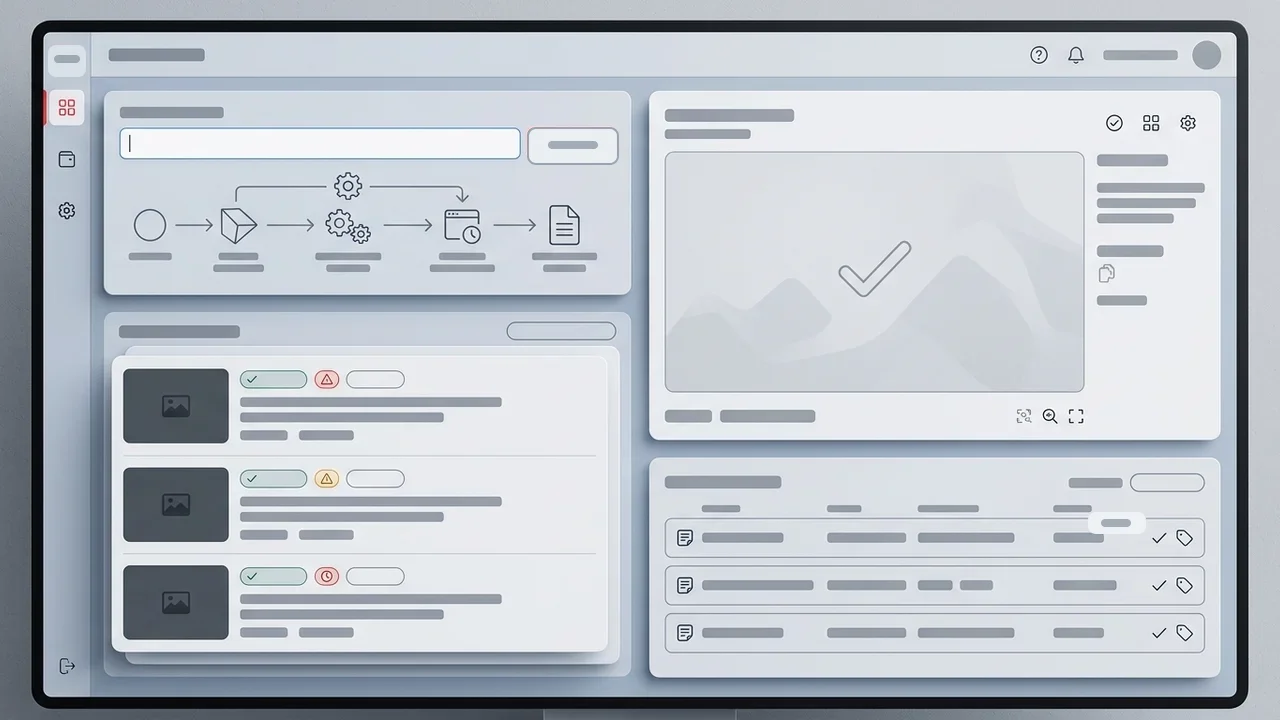
Use this sequence for a clean extraction:
- Copy the public YouTube URL or video ID.
- Paste it into YThumbPro or the HD thumbnail downloader.
- Test maxresdefault first.
- Fall back to SD, HQ, or MQ only when the largest image is unavailable.
- Save the file with source URL, variant, dimensions, and pull date.
That final source note is the information-gain step many quick tools skip. If the saved image later supports a client audit, refresh brief, or competitor board, the file needs provenance as much as it needs pixels.
YouTube Thumbnail Puller Workflow for Video URLs
A youtube thumbnail puller should normalize messy links before it checks images. Creators often paste mobile links, Shorts links, playlist URLs, embed URLs, or copied IDs from spreadsheets. The workflow should reduce all of those inputs to the public video ID before making quality claims.
Here is the decision table I use when reviewing pulled thumbnails:
| Result | What it means | Best next step |
|---|---|---|
| maxresdefault loads | Largest common public asset is available | Save and note the variant |
| SD or HQ fallback loads | A smaller real asset is available | Use for reference, not detailed design critique |
| Only small fallback loads | The public thumbnail is limited | Request the original export if quality matters |
| Variant fails or redirects | The file is unavailable or blocked | Recheck the URL and use a different source |
Do not upscale a fallback and call it HD. A resized file may look larger in a folder, but it cannot restore face detail, text edges, or compression information that was never in the public image.
YouTube Thumbnail Grabber Quality Checks
A youtube thumbnail grabber is most useful when it helps you decide whether the saved file is good enough for the job. The goal is not just to download something quickly; the goal is to know what you downloaded.
Before using an extracted thumbnail in analysis, check five things:
- Actual visible dimensions or variant name
- Text readability at mobile card size
- Subject clarity in the first two seconds
- Whether the image is a real public asset or a page screenshot
- Whether the file is being used for research, reference, or owned creative
Screenshots still have a place when you need to document how a thumbnail appeared in search, recommendations, or a channel grid. For the thumbnail file itself, extraction is cleaner because it avoids browser scaling, page chrome, and accidental crop changes.
Source Notes for Refreshes and Audits
Clean extraction becomes much more useful when the saved file carries context. I use a simple note format beside every thumbnail that supports a creator decision: source URL, loaded variant, visible dimensions, pull date, and intended use.
That structure prevents two common mistakes. First, teammates do not confuse a public thumbnail asset with the creator's original design export. Second, clients do not assume a competitor's artwork is licensed for reuse. Official YouTube guidance treats custom thumbnails as creator-uploaded assets, so extracted files should stay in the research lane unless you own the rights.
For deeper quality questions, connect this page to the YouTube thumbnail 4K download guide, the thumbnail puller workflow, the thumbnail grabber guide, and the thumbnail size FAQ.
When Extraction Should Become Analysis
Extraction answers "what image is available?" Analysis answers "will this image work?" Those are different jobs. A clean high-resolution file can still fail because the subject is unclear, the text is too small, the contrast is weak, or the thumbnail promise does not match the title.
Move from extraction to the YouTube Thumbnail Analyzer when the saved image affects a real decision:
- A creator is choosing between refresh options.
- A client audit needs evidence, not guesses.
- A team is comparing competitor packaging.
- A thumbnail needs mobile-readability review before publishing.
- A weak CTR result needs a visual diagnosis.
Conclusion
A youtube thumbnail extractor workflow should pull the real public image, verify the largest working variant, and keep quality claims honest. Save the clean file, record source context, and move into analysis only when the thumbnail influences a creator decision.
Ready to test a link? Start with YThumbPro, use the HD downloader, or review the saved image with the YouTube Thumbnail Analyzer.
Frequently Asked Questions
Q: What does a YouTube thumbnail extractor do?
It reads the public video ID, checks available thumbnail variants, and returns the largest working image YouTube exposes for that video.
Q: Is a YouTube thumbnail puller the same as a downloader?
Mostly yes. A puller focuses on finding the public image variants, while a downloader saves the selected clean file to your device.
Q: Can a YouTube thumbnail grabber always get max resolution?
No. Many videos expose maxresdefault, but some only expose smaller fallback variants. A trustworthy tool should label the actual result honestly.
Q: Should I use extracted thumbnails in my own videos?
Use extracted thumbnails for research, audits, and reference unless you own the asset or have permission to reuse it in published creative.
About the Author
jackyi is a YouTube growth and thumbnail optimization practitioner focused on practical creator workflows. YThumbPro articles are written with AI assistance, edited for originality, and reviewed against product behavior before publication.
Next action
Use this guide on a real YouTube thumbnail
Paste a video URL, download the available thumbnail sizes, then decide whether the image needs a deeper AI readiness review.
Step-by-step guide
- 1
Copy the public video URL
Use a watch URL, Shorts URL, mobile share link, embed URL, or raw 11-character video ID.
- 2
Open the extractor workflow
Paste the link into YThumbPro so the tool can normalize the video ID and check public thumbnail variants.
- 3
Verify the largest variant
Start with maxresdefault, then compare fallback variants only when the largest public image is unavailable.
- 4
Save the clean image
Download the real public file without overlays, frames, or fake quality labels.
- 5
Keep audit context
Record the source URL, variant, visible dimensions, pull date, and intended use beside the saved file.
Frequently asked questions
What does a YouTube thumbnail extractor do?
It reads the public video ID, checks available thumbnail variants, and returns the largest working image YouTube exposes for that video.
Is a YouTube thumbnail puller the same as a downloader?
Mostly yes. A puller focuses on finding the public image variants, while a downloader saves the selected clean file to your device.
Can a YouTube thumbnail grabber always get max resolution?
No. Many videos expose maxresdefault, but some only expose smaller fallback variants. A trustworthy tool should label the actual result honestly.
Should I use extracted thumbnails in my own videos?
Use extracted thumbnails for research, audits, and reference unless you own the asset or have permission to reuse it in published creative.